
Repair & Restoration
Concrete Repair & Replacement in Utah County, UT
Crack repair, patching, and full replacement. Utah's freeze-thaw cycles are hard on concrete — we evaluate the problem and give you an honest recommendation.
Why Concrete Fails in Utah
Cracking, Spalling & Settling on Utah County Concrete
Some of this is cosmetic and some of it means the slab is done, and you will get a straight answer on which one you have rather than a quote for the bigger job.
Utah County sits at high elevation with cold winters, hot summers, and low humidity. That combination creates specific conditions that break down concrete over time. Understanding the cause helps determine the right fix.
Freeze-Thaw Cycling
Water seeps into pores and hairline cracks. When temperatures drop, ice expansion forces cracks wider. After 50-100 cycles per winter, small cracks become big problems.
Spalling & Surface Deterioration
The top layer flakes, chips, or peels away, exposing rough aggregate underneath. Caused by freeze-thaw damage, deicer exposure, or finishing errors during the original pour.
Settling & Heaving
When soil beneath a slab shifts, concrete moves with it. Settling drops sections below neighbors; heaving pushes sections upward from roots, frost, or expanding clay.
Salt & Deicer Damage
Road salt and chemical deicers accelerate surface deterioration, increasing freeze-thaw cycles and attacking concrete chemistry. Spalling appears years before untreated concrete shows damage.
Tree Root Damage
Large trees send roots under slabs looking for moisture. As roots grow, they lift and crack concrete from below. Common along sidewalks and walkways lined with mature trees.
Our Repair Services
What We Can Do for Your Concrete
Rhode Concrete Corporation handles residential concrete repair across Utah County. Here is what we offer depending on the type and severity of your damage.
Crack Filling & Sealing
For cracks caught early, we clean the crack, apply a flexible sealant, and prevent water from entering. Stops freeze-thaw damage from making cracks worse.
Best for: Hairline cracks and narrow fractures under 1/4 inch in otherwise solid slabs.
Surface Patching
When spalling or minor surface damage affects the top layer but the slab structure is still sound, patching can restore the surface with a bonded concrete patch.
Best for: Small spalled areas, chipped edges and corners, minor surface pitting from salt damage.
Section Replacement
We saw-cut around the affected area, remove it, prepare the subgrade, and pour a new section matched to the thickness, finish, and grade of the surrounding concrete.
Best for: Settled or heaved slabs, deep cracking, tree root damage, large spalled areas.
Full Tear-Out & Replacement
When repair is not worth it — widespread cracking, multiple settled sections, severe spalling across most of the surface — full tear-out and replacement is the right call.
Best for: Concrete past its lifespan with compounding issues across 25-30%+ of the surface.
Making the Right Call
Repair vs. Replace
Spending money on a repair that fails in two years wastes your budget. Replacing a slab that only needed a crack sealed wastes even more. Bryce evaluates every job in person to give you the right answer.
Repair Makes Sense When
- Damage limited to one or two sections
- Cracks are narrow and have not spread
- Spalling is surface-level only
- Subgrade is stable (no settling or heaving)
- Slab is less than 15 years old and otherwise sound
Replacement Makes Sense When
- Cracks are wide, deep, and spreading
- Multiple sections have settled or heaved
- Spalling covers more than 25-30% of surface
- Slab is thin (under 4 inches for a driveway)
- Previous repairs have already failed
- Concrete is 20+ years old with compounding issues
Not sure which you need? Bryce evaluates every repair job in person. He will look at the damage, check the slab thickness, assess the subgrade, and give you a straight answer about what will actually hold up.
Transparent Pricing
Cost Factors for Concrete Repair
Every repair is unique. Cost depends on the type of damage, the size of the affected area, and whether repair or replacement is the right approach. Here are the key factors that affect your project cost.
Most affordable option for early-stage damage prevention
Cost-effective for localized spalling and minor surface damage
Mid-range cost — addresses structural issues in targeted areas
Adds $2-$4 per square foot for full tear-out projects
Highest cost but provides a permanent, long-term solution
Free
In-person estimates
Why Choose Rhode Concrete
A Father & Son Team You Can Trust
Rhode Concrete Corporation is a two-person crew led by owner Bryce Jones. Licensed and insured, focused exclusively on residential concrete across Utah County.
Owner on Every Job
Bryce evaluates the damage, writes the estimate, and does the work. No handoff between a salesperson and a crew you have never met.
Honest Assessments
We tell you what actually needs to happen, not what generates the biggest invoice. If a crack seal fixes it, that is what we recommend.
No Subcontractors
The same two people who looked at your concrete are the ones repairing or replacing it. A father-and-son team you can trust.
1-2 Projects at a Time
Your repair gets our full attention. We do not juggle five jobs and show up when we can. Focused work means better results.
How It Works
Our Repair Process
From assessment to completion, here is how we handle every concrete repair project.
Free On-Site Assessment
Bryce comes to your property, inspects the damage, checks slab thickness, assesses the subgrade, and gives you a straight answer about what will actually hold up.
Written Estimate
You receive a detailed, transparent estimate with no hidden fees. We clearly outline whether repair or replacement is the right call and why.
Preparation & Repair
We handle all demolition if needed, prepare the subgrade, and execute the repair or replacement with proper thickness, reinforcement, and finishing.
Cleanup & Walkthrough
Old concrete is hauled away, the site is cleaned up, and we walk you through the completed work. Your property is left better than we found it.
Our Work
Concrete Repair Gallery
Before-and-after results from residential concrete repair projects across Utah County.
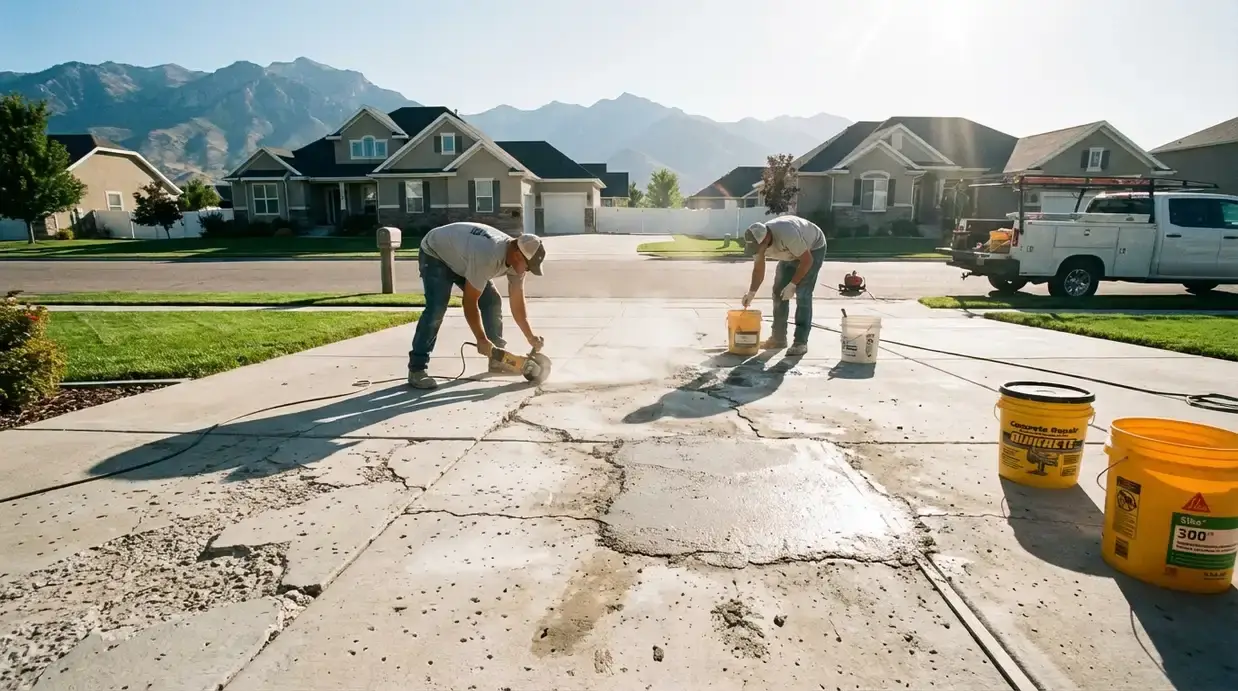
Driveway surface repair in progress
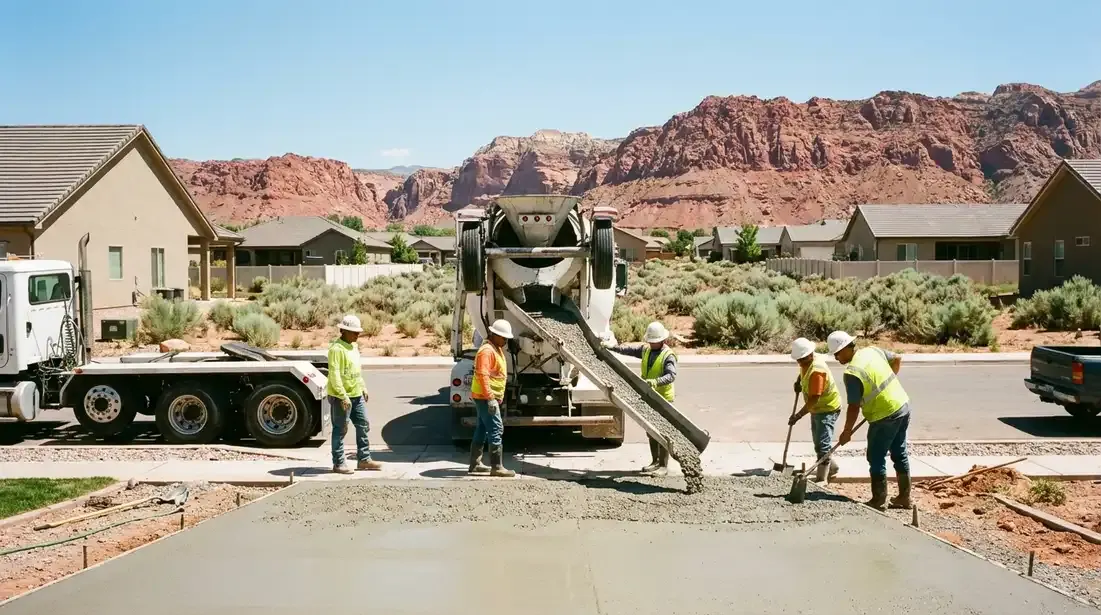
Replacement section pour in progress
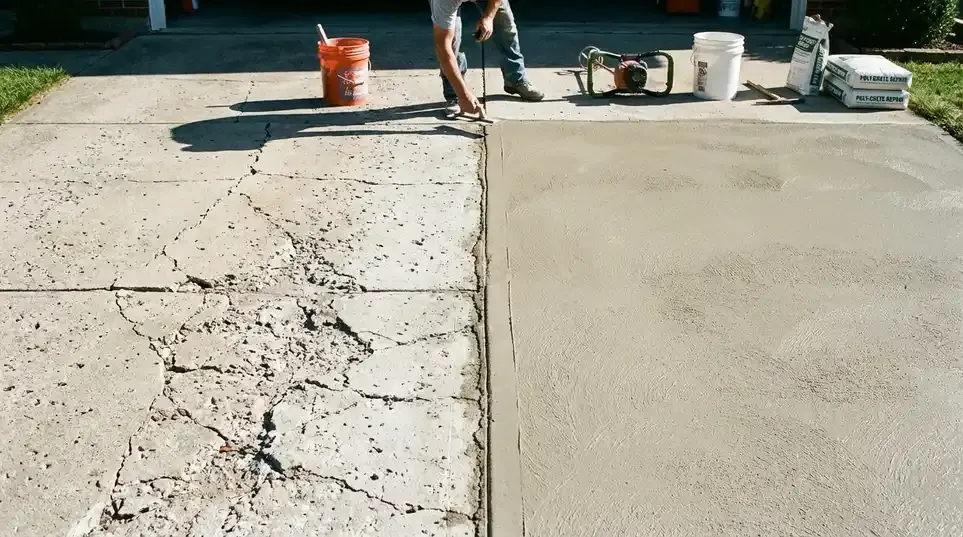
Completed driveway surface replacement
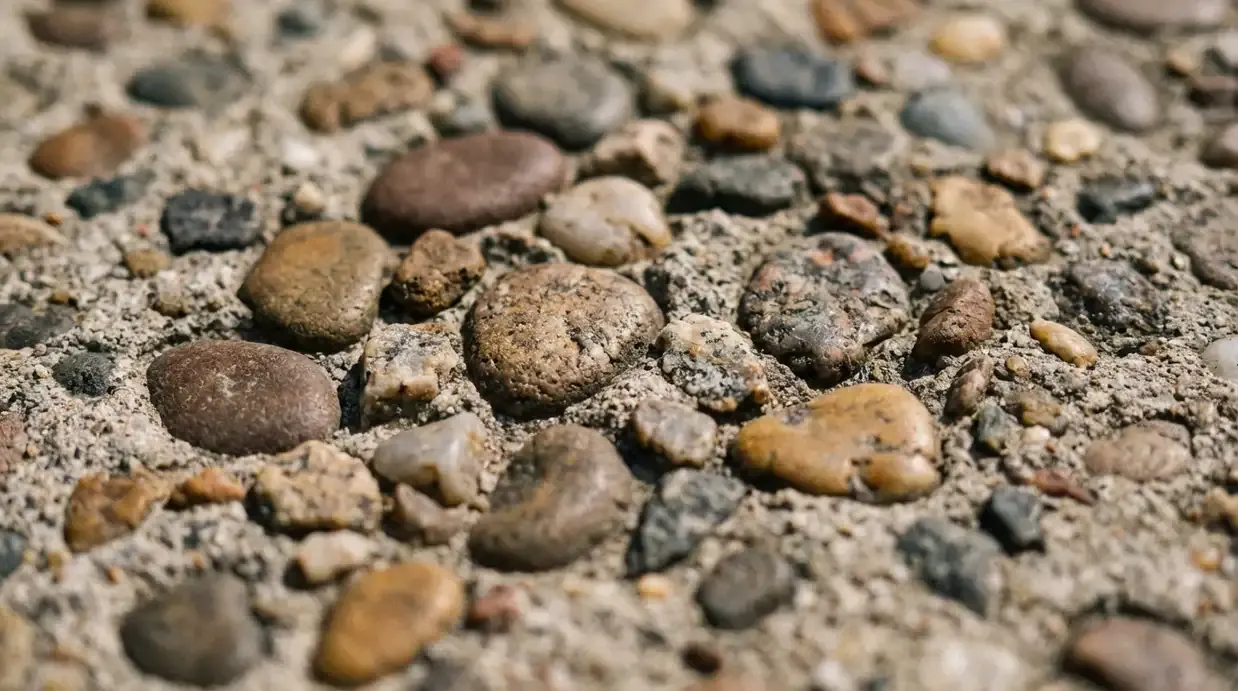
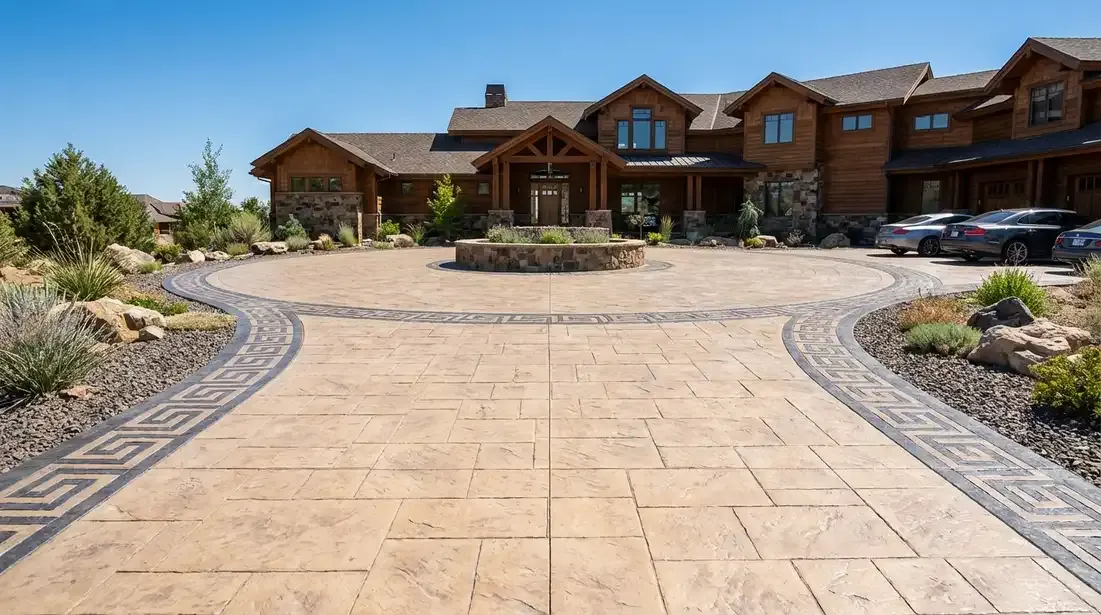
Restored exposed aggregate finish
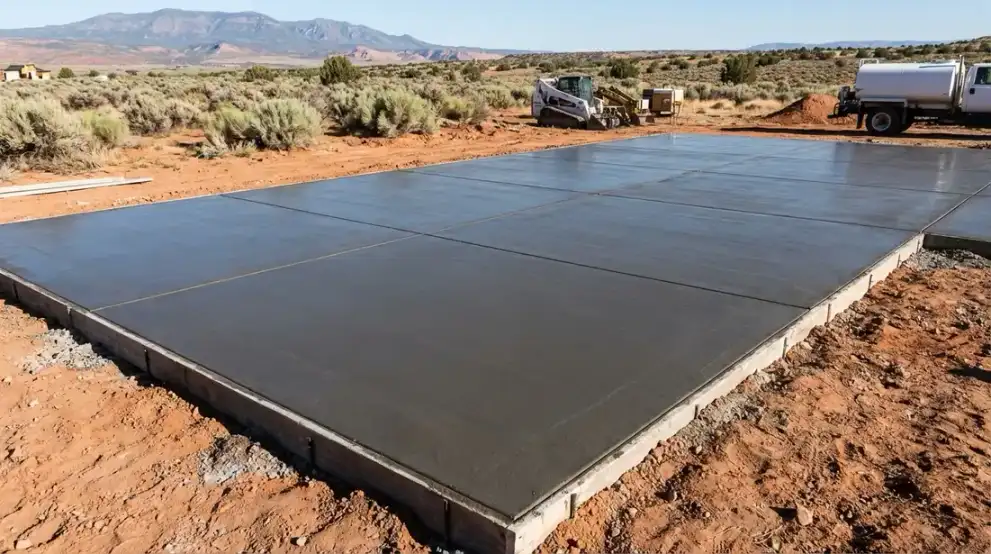
Full slab replacement completed
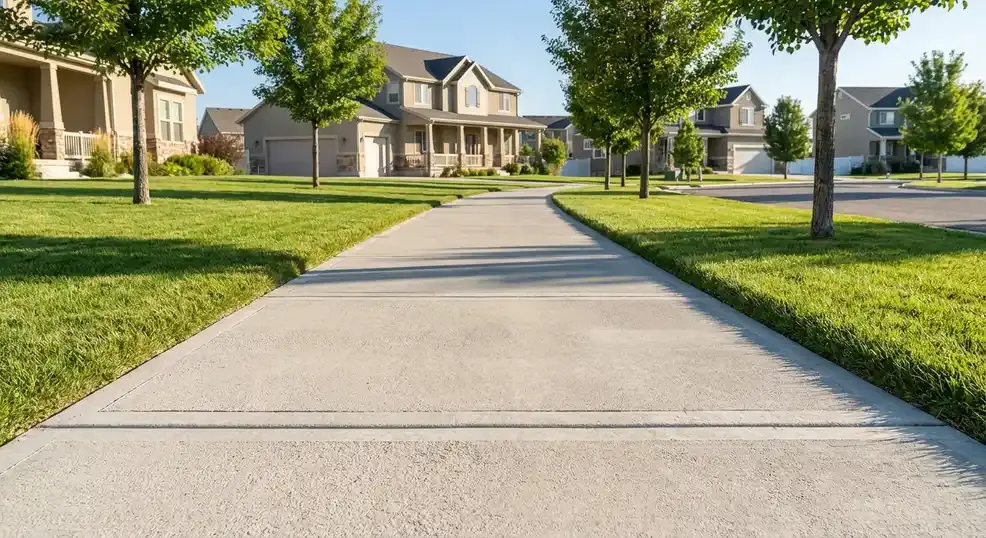
Residential sidewalk section renewed
Frequently Asked Questions
Common Concrete Repair Questions
Related Services
Explore More Concrete Services
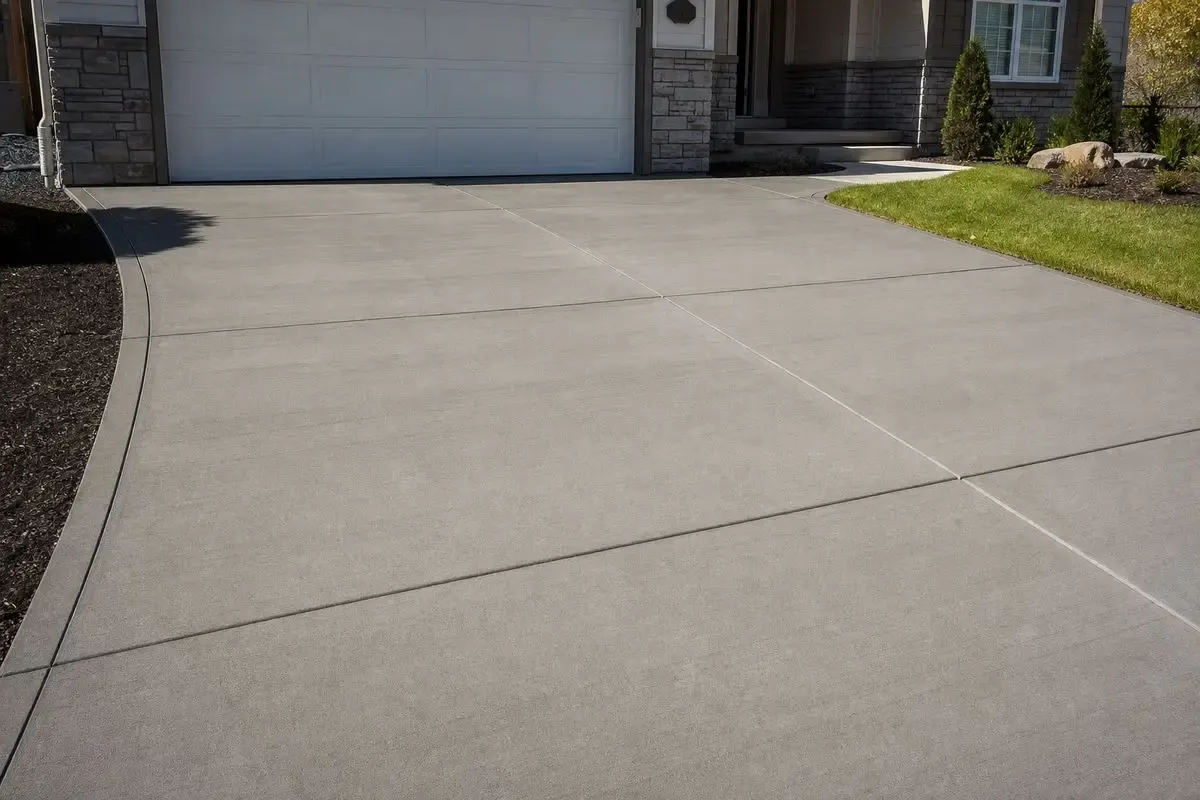
Concrete Driveways
New pours, extensions, and full driveway replacement with expert finishing.
Learn More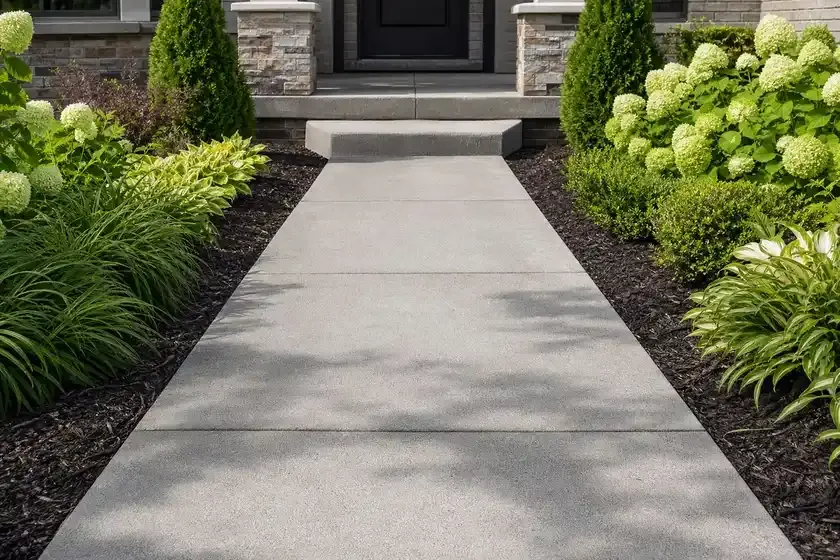
Sidewalks & Walkways
Residential sidewalks, front walkways, and garden paths built to last.
Learn More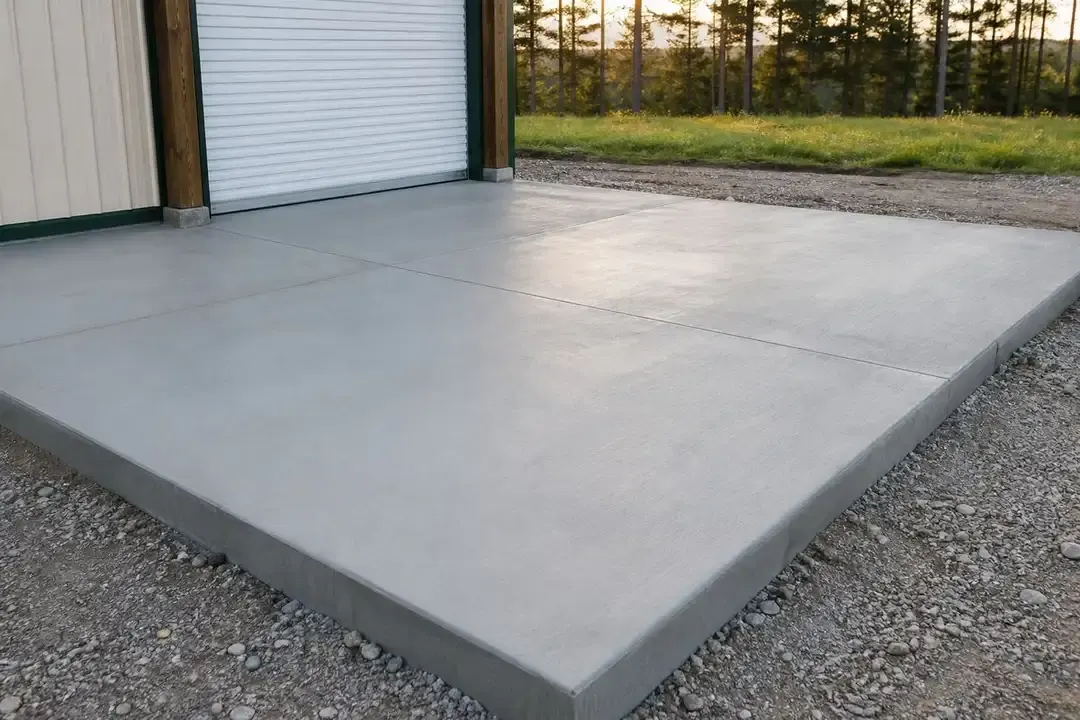
Concrete Slabs
Shed pads, garage floors, and utility slabs poured to the right specs.
Learn More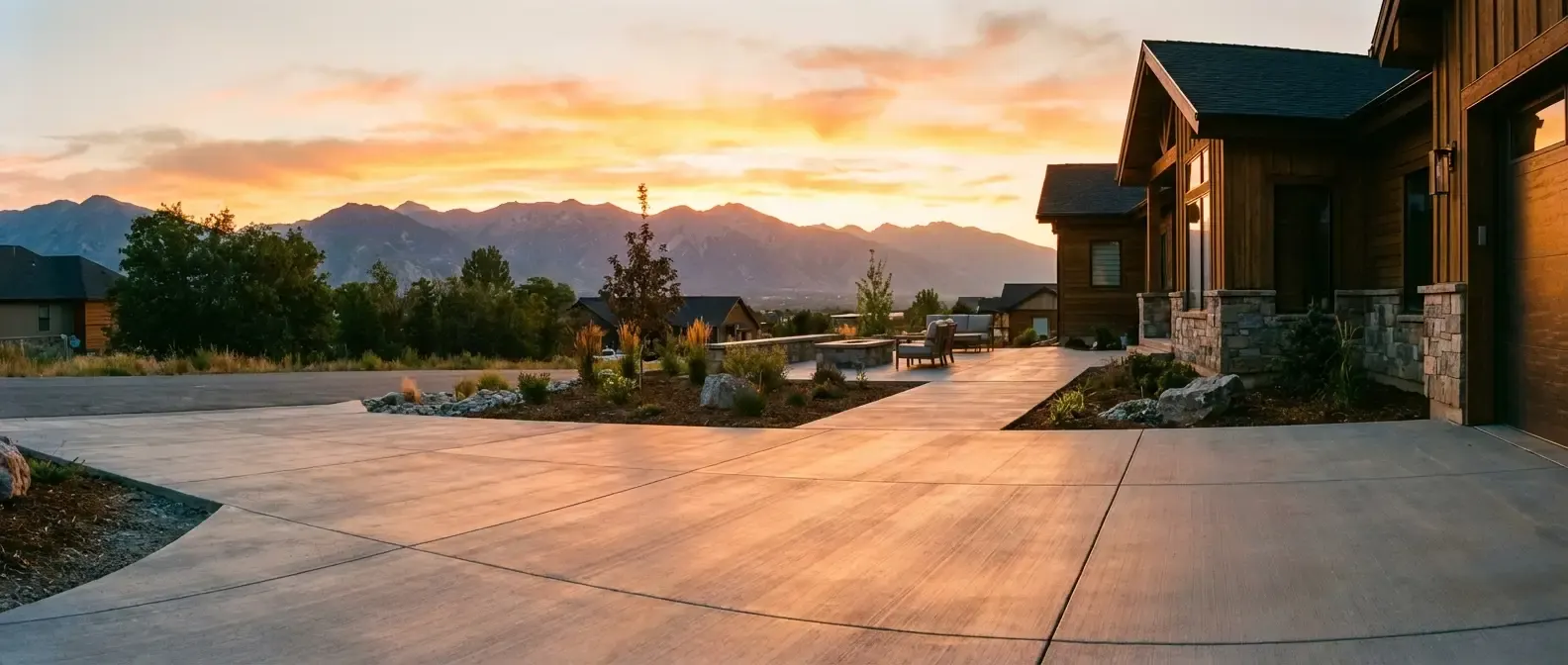
Get Your Free Repair Assessment
Bryce comes to your property, inspects the damage, and gives you an honest recommendation. No pressure, no obligation.
Rhode Concrete Corporation · Serving Utah County, UT
Email: rhodeconcrete@gmail.com